All Categories
Featured

How Final Expense Insurance Protects Your Future
Many policies also have a floor rate, often set at 0%, so the credited interest can not go listed below no. Costs can still minimize your money worth in years when the market is down. Unlike, IUL cash worth is not directly purchased market subaccounts, which gets rid of direct exposure to complete market losses but likewise restricts upside possible. Understanding these differences can help you decide if an IUL fits your objectives, whether you desire constant, foreseeable development or are interested in index-linked returns with certain limits. Here are a few regular misconceptions:"IULs deliver the very same returns as the stock market." Returns are formed by caps, involvement rates, and crediting methods- they do not match the index itself."The flooring rate indicates you can't lose money. "While credited interest might not be negative, fees and charges can still minimize your cash value. By clearing up these myths, financiers can better understand both the benefits and the limitations of IULs. For instance, Jane and Tom bought an IUL wishing for strong gains without danger. They were surprised when increasing costs and altering involvement rates minimized their returns with time. Their experience reveals why it is essential to know all the details before picking an insurance or financial investment product. Indexed Universal Life( IUL )insurance is typically promoted with marketing language that can overemphasize benefits and minimize risks. While these policies can serve specific estate or tax planning requirements, a lot of investors must comprehend the possible disadvantages before dedicating.-Many policy illustrations use strong bull-market durations to forecast future development, producing impractical expectations of steady returns. Sales materials typically highlight appealing non-guaranteed columns, while guaranteed forecasts may show sluggish or even unfavorable build-up gradually. Unlike term insurance coverage, COI in IUL policies increases with age. With time, this rising expense can wear down the money worth and trigger the policy to lapse if not funded aggressively. A portion of each premium goes to commissions and administrative expenses, and cancelling a policy early can set off surrender charges lasting 1015 years. Considering that index credits typically omit dividends, total returns are lower than the index.
itself. Policy loans are not free earnings; they are advances against the death benefit, and unsettled balances lower what recipients get.-If loans surpass the cash value, the policy might collapse, potentially producing a taxable occasion and leaving the policyholder with unexpected liabilities. Some policies likewise allow loans or withdrawals from the cash value, but these lower the death advantage if not repaid. A policy with a$500,000 survivor benefit and $20,000 annual premium could show appealing forecasts if the assumed crediting.
rate is 67%. But if the insurance provider reduces cap rates or fees are higher than forecasted, the real build-up could be substantially less, impacting both living benefits and death benefit longevity. An IUL may deserve thinking about in contexts, such as: Estate preparation methods where an irreversible death benefit offsets estate taxes. High-income households looking for extra tax-deferred growth outside pension. Legacy planning for dependents or charities, where the death advantage is a priority. In these circumstances, versatile premium payments and index-linked crediting can be useful, however only if you comprehend the terms and are comfy with the limitations. This approach separates the insurance coverage and investment functions, making it much easier to adjust each individually. If the primary objective is market-based development instead of permanent coverage, an IUL might be more expensive and less efficient than investing straight while holding different life insurance. Before selecting an IUL, be clear about your insurance and financial investment objectives. What identifies IUL from variable universal life insurance? IUL money value is not directly bought market subaccounts, preventing full market losses however also leaving out full upside possible. Why are dividends excluded from IUL index credits crucial? Considering that IUL crediting usually excludes dividends, overall credited returns are lower than actual index performance. For how long can surrender charges last in IUL contracts? Early cancellations may set off surrender costs that can last for 1015 years, minimizing access to funds. Why are policy loans frequently misconstrued in IUL sales? Loans are advances versus the death advantage. If not paid back, they minimize what recipients receive and might set off a taxable event if the policy lapses. How can administrative and ridercosts impact IUL performance? Layered expenses such as administrative fees, rising COI, and optional rider charges can considerably decrease long-lasting cash worth growth, especially in low-crediting years. What hypothetical example shows IUL risks under changing terms? A$500,000 death benefit with$ 20,000 yearly premiums might forecast well at 67%presumptions, however lower cap rates or greaterfees could shrink real build-up substantially. If you're interested in a permanent life insurance policy because of the host of benefitsincluding long-lasting protection, a survivor benefit and cash valueyou may consider an indexed universal life insurance(IUL )policy. With this kind of life insurance, the cash value portion is tied to the performance of a bond or stock index you generally get to select. It is necessary to understand how IUL policies work, since they're more intricate than standard permanent life policies. Here's what to understand. An indexed universal life policy is a kind of long-term life insurance, providing long-lasting protection and a death advantage. It likewise includes a money value element, which is a savings-style account that grows gradually. IUL policies likewise provide minimum account interest revenues, called floorings, and there might be a cap on the gains you can see in your account. You can obtain versus the cash worth, withdraw from it or use it to pay premiums. Any development is tax-deferred, so you'll pay taxes if you withdraw investment gains before your policy maturesbut not as those gains are earned. Part of your premiums approaches insurance expenses, like administrative charges and the death benefit, and part approaches the money value. The essential difference between IUL policies and other kinds of universal life insurance is how the money worth is invested. IUL policies offer versatility since you can use the money value to cover some or all of your premiums. You might likewise have the choice of changing your survivor benefit if your requirements change in time, though your insurer may ask you to complete a medicalexamination before increasing your protection. The cash value component grows over time, but you have the alternative of putting the funds in a fixed-rate account, an indexed account or both. Your investment options depend on what the insurance provider offers . The money worth account makes more interest when the index increases, and less if the index drops. The amount of interest you earn undergoes a flooring on losses and a cap on gains. The flooring is the minimum you'll make on your indexed account. With a 0% floor, for example, your account will not suffer losses when an index has an unfavorable return. The cap is the highest rate the account can earn, frequently set around 8 %to 12 %. This function can be a drawback when the marketplace surges. If your cap is 10 %and your index increases by 15 %, for circumstances, you'll just earn10%. Another function that can limit your earnings is the participation rate, which dictates the quantity you receive from the money value profits. For example, say your cap is 10%and participation rate is 80%. The interest credited to your account would be based on 80% of that return, meaning you'll only make 8%of the index returns.
The cost of an indexed universal life insurance policy differs, depending on aspects like your age, where you live, your health and the protection amount you pick. According to one quote, a healthy, nonsmoking 34-year-old female may pay between$71 and $96 a month for an indexed universal life policy, assuming$250,000 of protection. The same person may pay$32 to$44 a month for a term life policy and in between $177 and$245 per month for an entire life policy.
Insurance in Lake Forest CAThe expense of an indexed universal life insurance policy differs, depending on elements like your age, where you live, your health and the protection amount you select. According to one quote, a healthy, nonsmoking 34-year-old female may pay in between$71 and $96 a month for an indexed universal life policy, presuming$250,000 of coverage. The same individual might pay$32 to$44 a month for a term life policy and in between $177 and$245 per month for an entire life policy.

Latest Posts
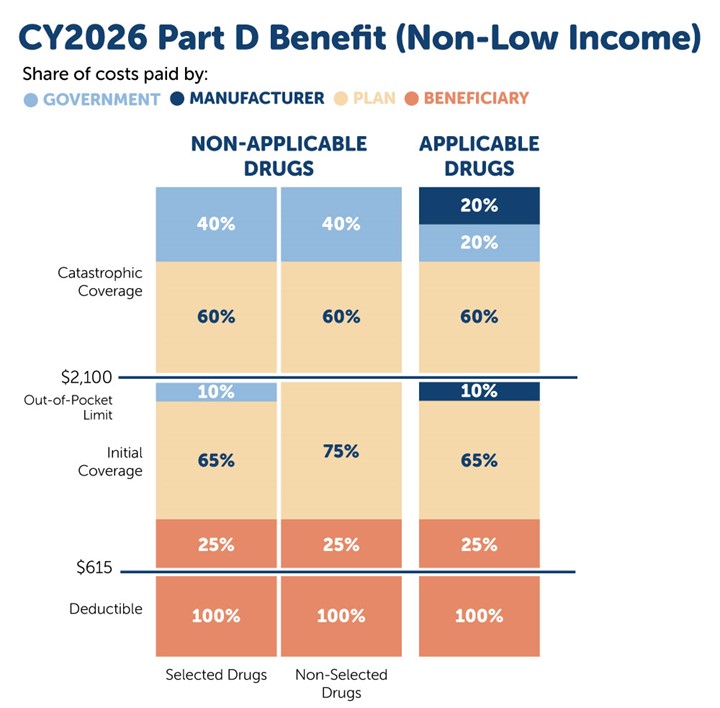
Getting the Best Medicare Supplement Policies for 2026

HMO vs PPO Health Insurance Plans
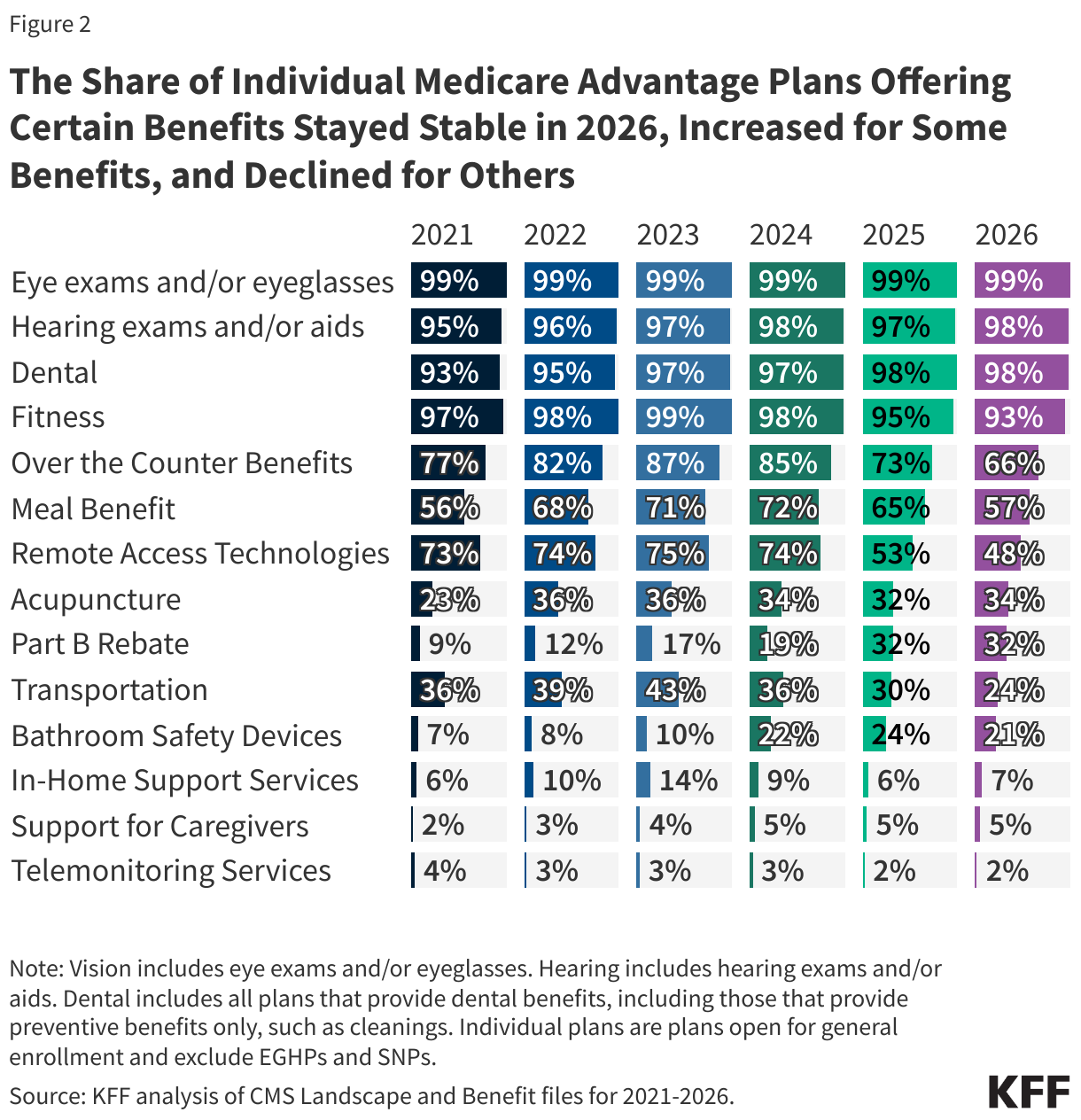
Proven Ways to Identify 2026 Health Coverage